


Transport UN 38.3
Safety IEC62133 IEC62619 EN50604 IEC63000 IEC62281 IEC62620 IEC60664
Compliance New EU Regulation 2023/1542
WHY BATTERY CERTIFICATION IS NOT AN OPTION BUT A NECESSITY?


COMPREHENSIVE SUPPORT FOR YOUR BATTERIES.
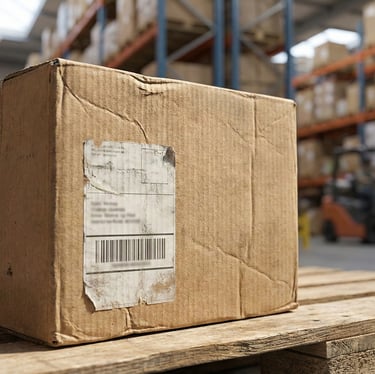

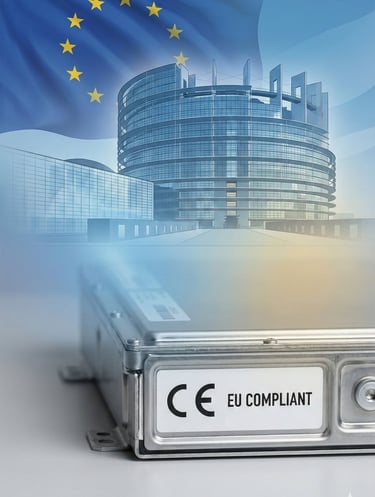

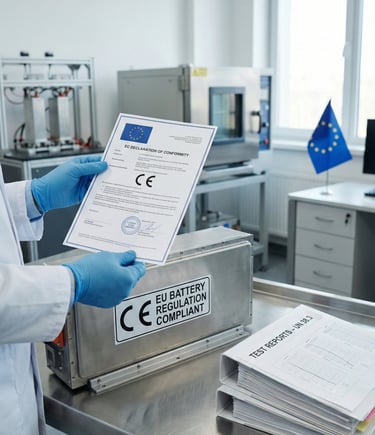
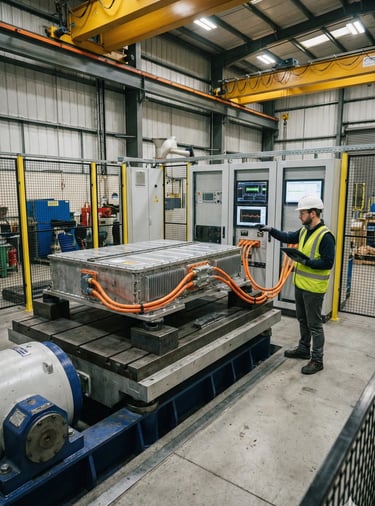
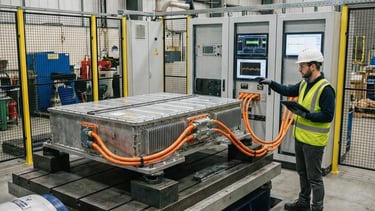
From Transport to Final Sale
YOUR SAFEY IN EXPERT HANDS.
We are not intermediaries. We are engineers who understand battery chemistry and physics.
CERTIFICATION STEP BY STEP


Laboratory Testing
Extreme Conditions Testing

WILL YOUR PRODUCTS REMAIN ON THE EU MARKET? THE NEW BATTERY REGULATION IS YOUR NEW "LICENSE TO SELL."
If you place electronics, electric vehicles (EV), or energy storage systems on the market, the rules of the game have just changed irreversibly. This is not just another bureaucratic hurdle that can be ignored. This is a fundamental shift that determines whether you will be able to legally sell your products in Poland and Europe in a few months.
Until now, you only worried about the battery once it became waste. Now, the European Union is watching your every move from the moment the first gram of lithium is mined. Regulation (EU) 2023/1542 replaces the old directive and introduces a "mine to recycle" approach (life cycle approach). What does this mean for your business? Accountability for the entire product lifecycle. If you don’t prove your battery is "clean" and ethical, the competitors who have will take over your market share.
Time Is Money - Literally!
Many entrepreneurs are waiting for the Polish act, thinking they have time. This is a mistake that could cost you dearly. We are dealing with a Regulation, not a Directive. These provisions (for the most part) have been directly applicable since February 18, 2024, without the need to wait for the Polish Parliament. This means that European and Polish inspectors could be knocking on your door right now. Waiting for the amendment of Polish laws regarding WIOŚ(Environmental Inspectorate) or UOKiK (Office of Competition and Consumer Protection) carries the risk of sales paralysis overnight.
Your New Obligations. Challenge or Opportunity?
1. Carbon Footprint. Your New Competitive Edge
Customers are increasingly choosing sustainable products. Soon low emissions will be just as important as price. For EV, LMT (e.g. e-bikes) and industrial batteries >2 kWh you must calculate and declare the carbon footprint from raw material extraction to the factory gate. This is your opportunity. If you show a lower carbon footprint than your competitors from Asia you will gain a powerful selling point in tenders and B2B.
2. Digital Battery Passport (DPP). Building Trust
Anonymous products are becoming a thing of the past. Customers and recyclers want to know what they are buying and how to recycle it. From 2027 every large battery (EV, LMT, industrial) must have a unique digital record accessible via QR code. Think of it as a "digital twin" of your product. This is a guarantee of transparency that builds trust in your brand as a technology leader instead of a cheap importer.
3. Due Diligence. Brand Safety
Do you know where your cobalt comes from? If it turns out to originate from conflict zones your brand could lose its reputation in a single day. Larger entities must implement and audit sourcing policies for raw materials (lithium, nickel, cobalt and graphite). We help you build a supply chain that is resistant to reputational scandals and fully compliant with the law.
4. Battery Replaceability. The New Design Standard
Users are tired of disposable electronics. The right to repair is now a legal requirement that your customers will appreciate. Batteries in consumer electronics and LMT (from 2027) must be designed so the user can easily replace them using basic tools. Although this requires design changes (R&D) it drastically lowers your service and warranty costs by shifting simple replacements to the user.
In the maze of these regulations it is easy to make a mistake that could block your sales. You do not need to be an expert in EU law because that is why we are here. Our DLP Certification program will guide you through the process of supply chain verification, carbon footprint calculation and documentation preparation.
Schedule your free initial consultation and check if your products are safe on the market after February 18, 2024.
COMMON QUESTIONS FROM IMPORTERS AND PRODUCERS
Resources
DON’T RISK HAVING YOUR GOODS SEIZED
Book your battery consultation today
Initial analysis of your documentation (datasheet) and certification path selection are free of charge.
Call an expert:

+48 32 49 44 305

Contact us:
office@dlp-poland.com